
by

We gather at a moment when the boundaries between protest and criminality, between dissent and extremism, are being redrawn—not by the people, but by the state.
Today, we stand witness to the proposed proscription of Palestine Action, a group born from moral outrage at the United Kingdom’s ongoing complicity in the arms trade with Israel.
Palestine Action has chosen, not the path of violence, but the path of civil disobedience: breaking into factories, spraying red paint on military planes, disrupting the machinery of war. Now, under the chilling shadow of anti-terror legislation, they face the threat of being equated—legally and morally—with organisations such as ISIS and al-Qaeda.
Let us be clear: this is no mere legal technicality. This is not the cold, surgical work of bureaucracy. It is a political statement. It is the state choosing to label acts of protest as acts of terror, to say that the hammer of conscience is somehow heavier than the silence that enables missiles to fall on distant cities.
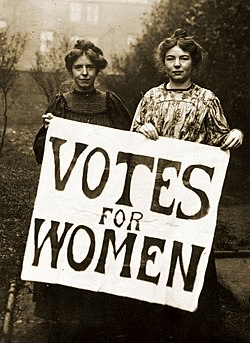
We do not gather here to whitewash or deny that laws have been broken. Civil disobedience, by its nature, breaks the law. But consider the lineage into which Palestine Action steps: the suffragettes who battered down the doors of injustice; the anti-apartheid campaigners who refused to stand by while global deals profited from suffering; the countless others who, throughout history, broke unjust laws so that justice itself might advance. Their weapon was not the bomb nor the bullet, but the unwavering conviction that conscience must sometimes disturb the peace to awaken it.
The government’s argument is couched in the language of national security. But we must ask: whose security is truly at stake? Is it the security of arms manufacturers, whose profits depend on the machinery of war? Is it the security of diplomatic relationships, lubricated with arms deals and silence over atrocity? Or is it the security of civilians in Gaza, where over 56,000 Palestinians have been killed since October 2023, their lives torn apart as the world debates definitions and legalities?
To criminalise Palestine Action is, in effect, to criminalise a form of protest that is inconvenient, unruly, and unapologetic in its refusal to be polite in the face genocide. It is to declare that property damage—a smashed window, a sprayed slogan—is more offensive than the destruction of entire neighbourhoods, than the loss of tens of thousands of lives.
We must ask ourselves, as citizens of a democracy: what kind of society cannot tolerate dissent? What kind of justice system can equate red paint with terrorism, conscience with criminality? When protest is silenced, when opposition is rebranded as terrorism, democracy itself is diminished.
Solidarity
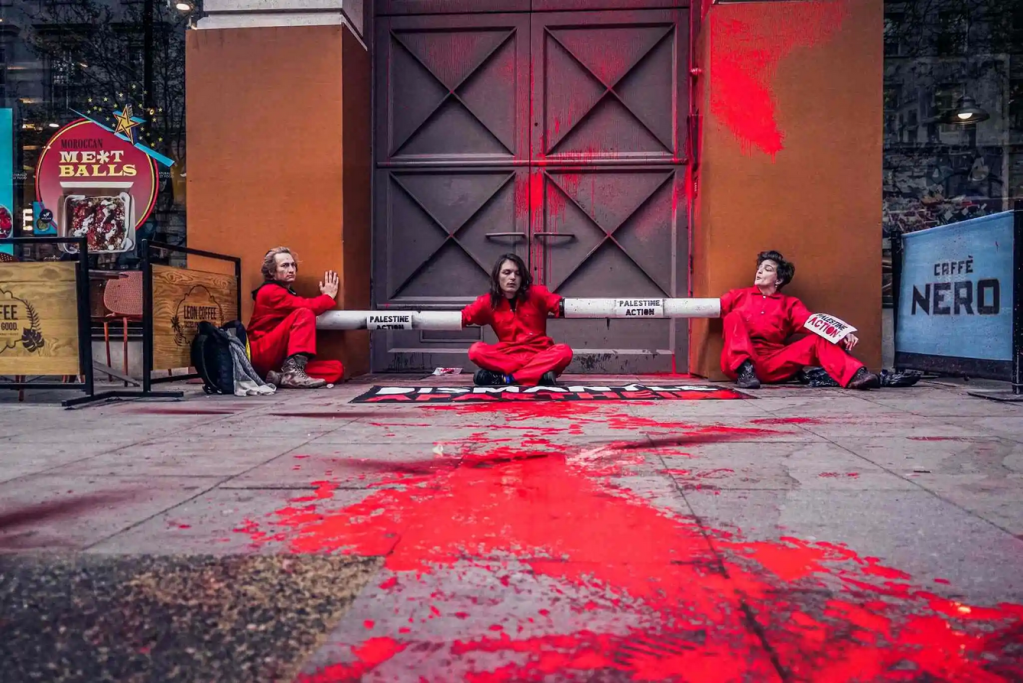
And let us recognise the chilling reality that faces us: today, we can still speak out, we can still stand in solidarity with Palestine Action, we can still say their name in public and offer our support. But after next week—should this proscription become law—simply expressing support for Palestine Action could see us convicted under the terrorism act, facing sentences of up to fourteen years in prison. The price of solidarity, the price of dissent, will be forced into silence by fear of the law.
I do not ask you to endorse every tactic. I do not ask you to agree with every act. But I urge you to consider what is lost when the law becomes an instrument to crush, rather than to protect, the conscience of its people. Because if Palestine Action is proscribed and silenced today, will it be us tomorrow and then, who will be left to demand justice for Palestinians? What other causes will be deemed too disruptive, too inconvenient, too passionate for the state to tolerate? We must not allow the boundaries of protest to be drawn so tightly that only silence remains.
History will judge us—not only by the laws we make, but by the voices we choose to silence. Let us strive for a democracy that is robust enough to withstand discomfort, courageous enough to face dissent, and just enough to value conscience over convenience.
As a member of the Palestine Solidarity Campaign, and as a member of the Stop the War Coalition, I say: bravo to Palestine Action. Bravo to all who refuse to be silent in the face of injustice.
Thank you.
Free Free Palestine!
About
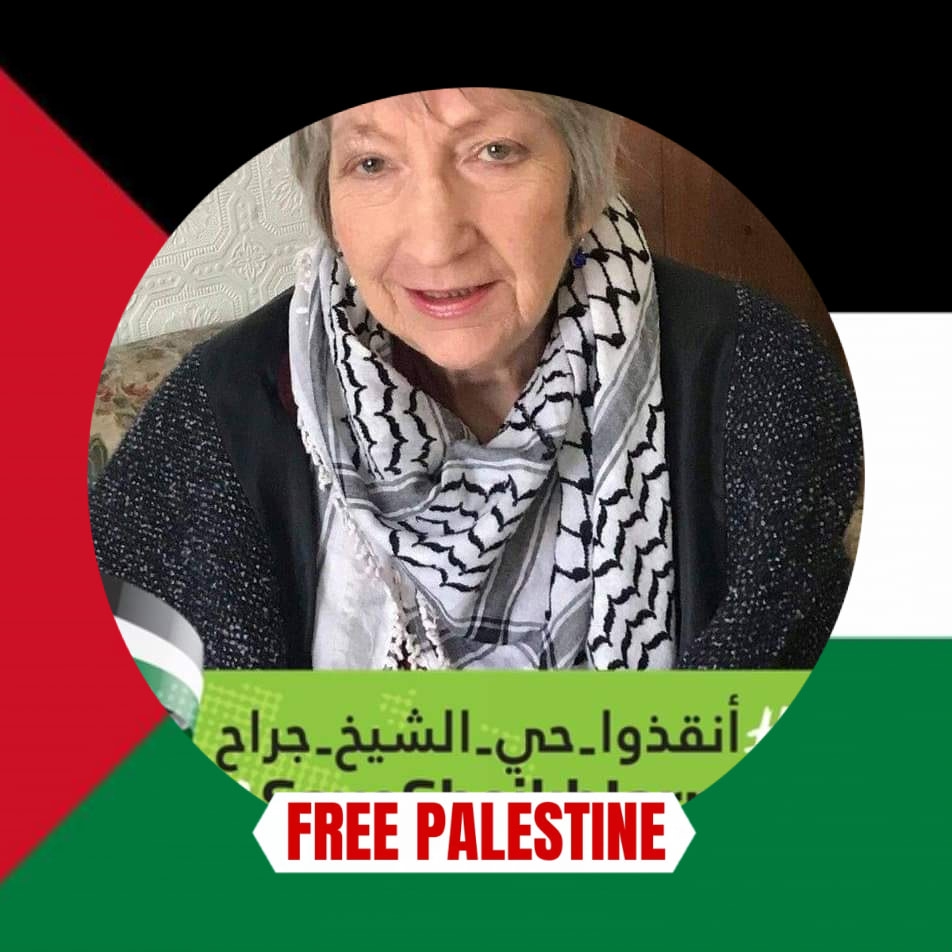
Mary Sullivan is a retired social worker (Mental Health). She moved from Canterbury to Whitstable in 1991. On retirement, she completed a degree in History and Religious Studies at the University of Kent, followed by a Master’s Degree in Modern History, graduating in 2023.
Whitstable Views
How to use it!
- Make sure you share and like our articles on Facebook and Twitter/X, and whatever other social-media platforms you use. Join us on Facebook here: @whitstableviews
- You can read and contribute articles for free but in order not to miss any, please subscribe to get regular free updates.
- To do so, press the “Subscribe” icon on the bottom right hand corner of the screen. This will take you to the option to sign up. (It disappears as you move the text down then reappears at you move it back again!)
- Please engage by leaving comments on the website, rather than on social media. Let’s get a debate going. All our contributors welcome the chance to engage with YOU.
- To all writers out there, we want to hear YOUR views too, so do submit your own articles. Read our submissions page on how to do this: https://whitstableviews/submissions/
- Finally, to keep Whitstable Views alive and independent please donate if you feel able to do so. As little as £1 would help. Details are on the donations page here: https://whitstableviews.com/donate
 Whitstable Views
2 Comments