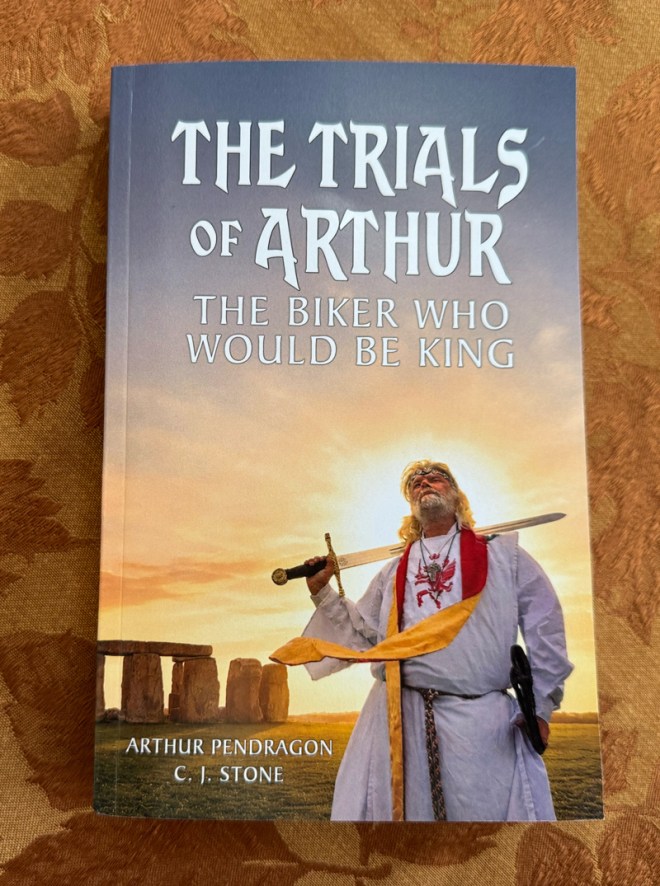
Review
by
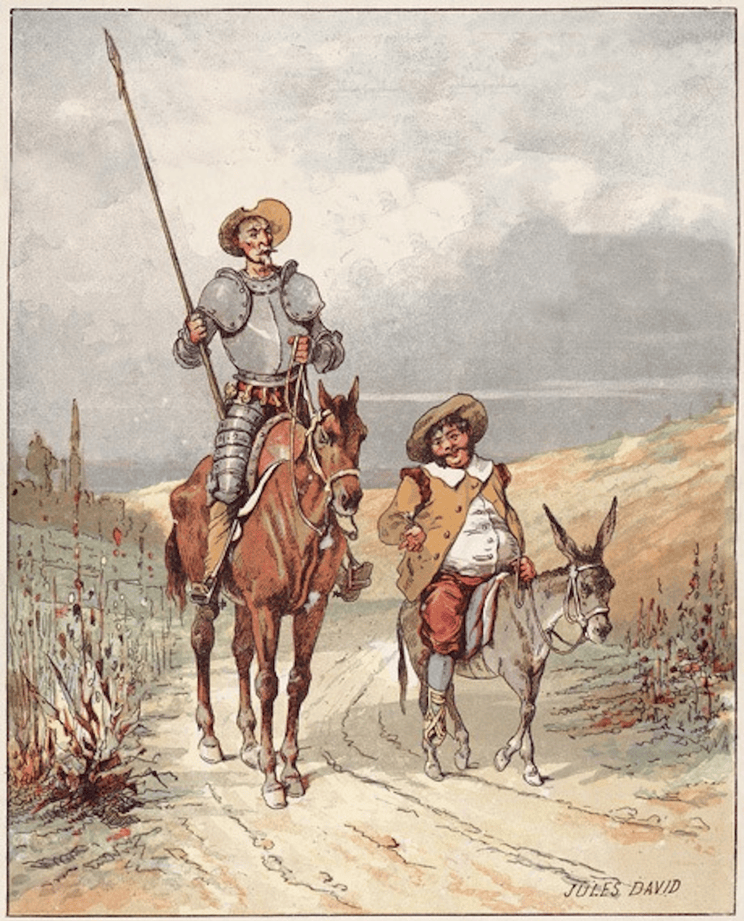
Let me introduce you to Alonso Quijano, from somewhere in La Mancha. He was a regular fellow from a regular village with a regular house, a regular income and a regular life. He read too many epics of chivalry, something in his mind shifted, and he became Don Quixote, Knight Errant, avenger of wrongs, protector of damsels, corrector of injustice. He donned a rusty suit of armour, mounted his tired old nag – now nobly renamed Rocinante – summoned his rustic friend Sancho as his squire, and rode out to do good deeds in a world that had forgotten what good deeds looked like.
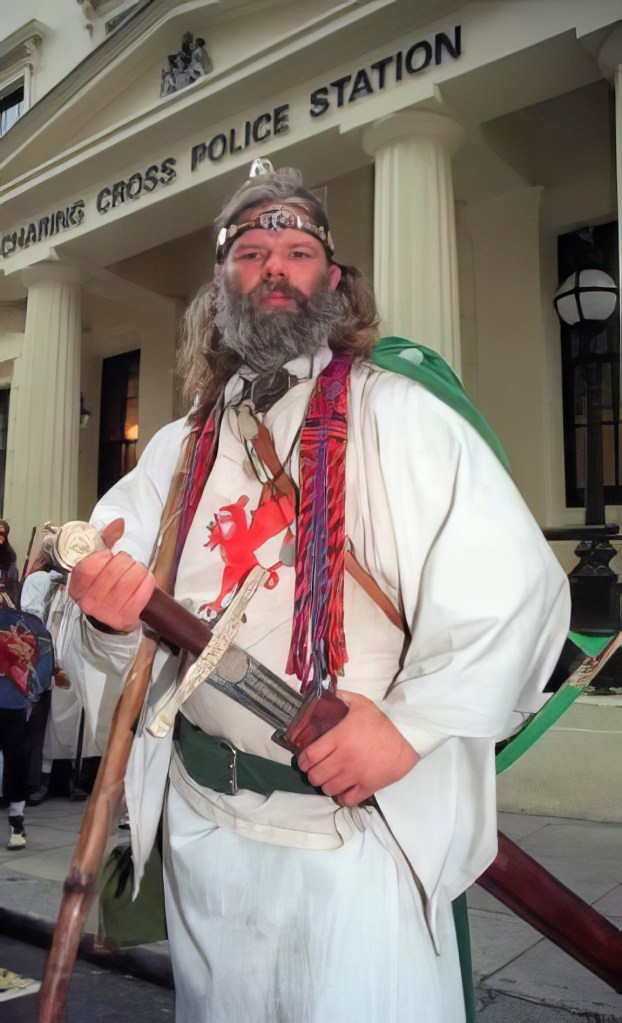
Let me introduce you to John Timothy Rothwell, from Aldershot. Council estate, comprehensive school, trouble with the law, menial jobs, a stint in the army, a biker gang, a failed marriage. One night in a squat a friend shoved a book across a table and told him he wasn’t John but Arthur, the Once and Future King. Anyone else would have laughed, chugged another cider, and forgotten it by morning. But Rothwell, like the man from La Mancha, took it seriously. He changed his name by deed poll, put on a white robe, acquired a sword – Excalibur, no less – mounted his custom-built Triumph, now nobly renamed his Iron Steed, and rode out to do good deeds in a Britain that had forgotten what good deeds looked like.
Cervantes’ knight sees inns for castles, windmills for giants, sheep for an enemy army, and peasant girls for princesses. Arthur sees a biker gang for a warband, a model armourer’s window for Avalon, a caravan for Camelot. Arthur’s myths come true. He swore an oath to Truth, Honour and Justice and sallied forth to find them in the threatened woodlands of Newbury and the sarsens of Stonehenge, in the faces of dispossessed travellers and the roots of condemned oaks. The King and his Quests.
What makes The Trials of Arthur sing is that it refuses to decide whether its protagonist is Alonso Quijano or Don Quixote. The answer, of course, is both. And CJ, co-author, occupies a double role, part-Cervantes, the wry observer who knows the story is absurd but loves it anyway; and part-Sancho, the loyal squire who follows his warrior king into the fray, never quite believing, never quite leaving, always aware that beneath the robes and rhetoric is the rowdy lad from Aldershot.
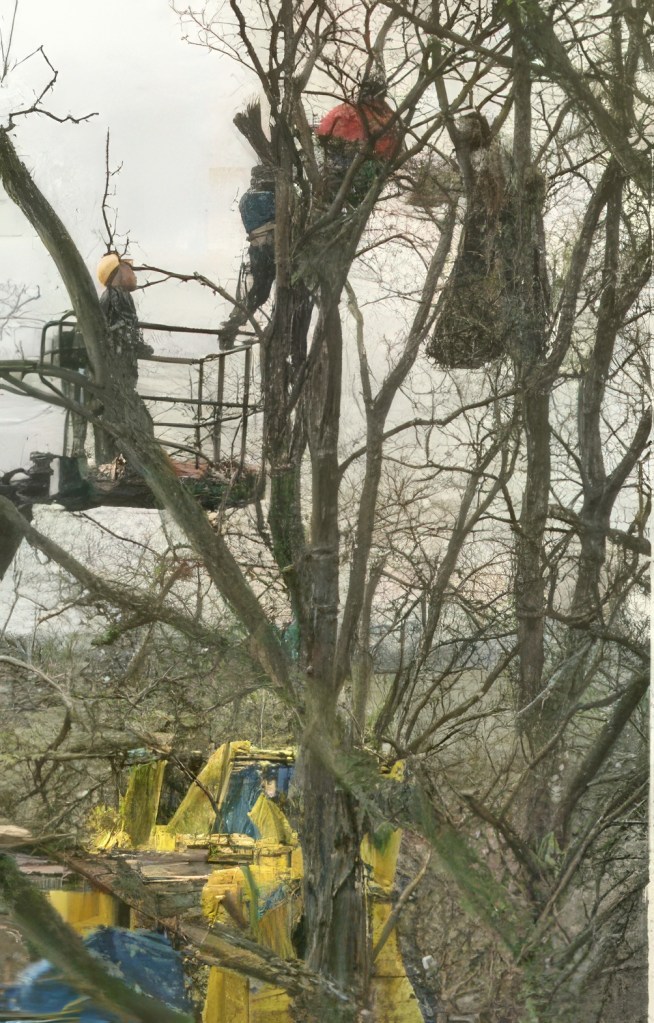
CJ’s prose follows Arthur through the 1990s protest movement with the energy of a picaresque novel. There are sieges and arrests, courtroom battles and midnight rituals, a dragon kidnapped from a TV weather map, a raven’s skull buried beneath the Tower of London. CJ writes with the breathless quality of a man who can’t quite believe what he’s seeing: the self-proclaimed king, drunk and belligerent, being carried home in a supermarket trolley; the Druid priest, bleeding from a hundred cuts at the Third Battle of Newbury, refusing to abandon a beech tree to the chainsaws; the defendant in a Crown Court, robed and crowned, pleading Not Guilty to Violent Disorder while the jury stifles laughter.
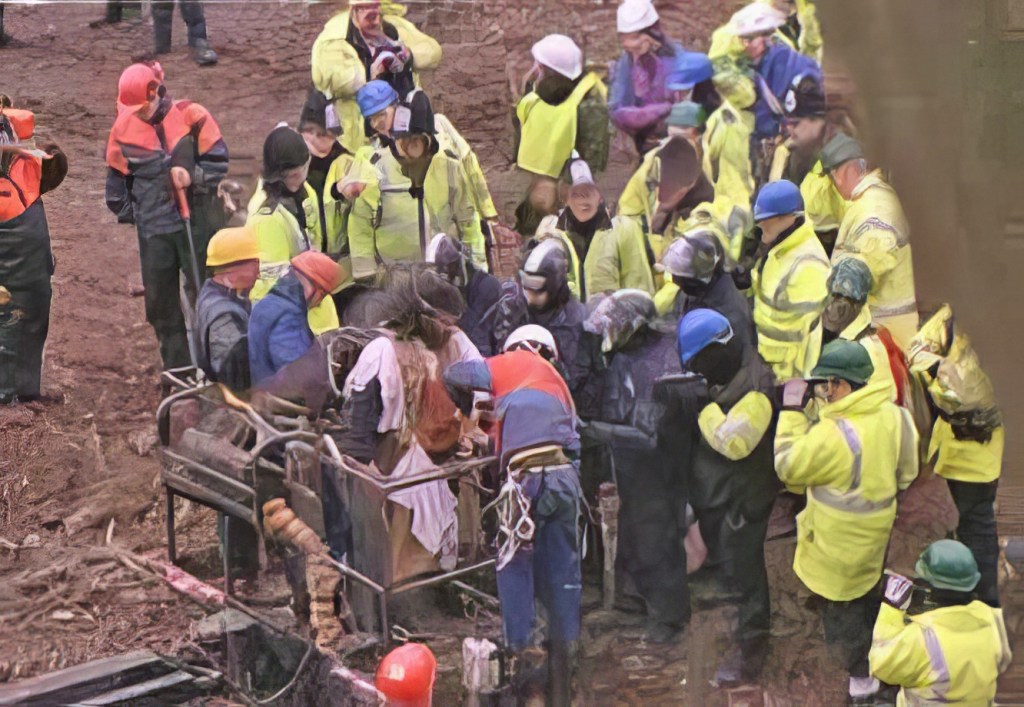
It’s funny, and not always intentionally. Arthur’s magical thinking – the conviction that his names, his sword, his creaking cosmology of reincarnated knights are literally true – produces moments of sublime absurdity. At one point, under cross-examination in court, a loyal warband knight called Kreb Dragonrider (who always addresses Arthur as ‘sire’) is asked why he cursed a Jaguar with ‘the curse of mutilation.’ He replies, with saintly sincerity, that he hoped the car would fall to bits. The barrister, faced with a courtroom in hysterics, has no follow-up question. Neither, one suspects, would Cervantes.
But the comedy darkens. The road protests were not a joke (I know – I was there). The destruction of the land and trees was devastating; and the state’s response – exclusion zones, riot police, violence, mass arrests – was no game. Arthur’s Quixote-like refusal to accept this reality was less delusion and more stubborn grace. His fight was real: the right of the British people to stand on their own sacred ground, to gather in their own temple, to make their own meaning. The right of the land and all its creatures to exist. If that required becoming a king, who are we to judge? We all wear masks, and rarely for such noble causes.
The climax arrives in the summer of 2000, when Stonehenge finally opened to the public for the solstice. Arthur stood in the rain – wet for the first time in fourteen years, having spent most solstice nights in a police cell – and told the crowd that the Henge belongs to every fucker who wants to come. It’s a king’s speech, a warrior’s speech, a poet’s speech, a cider-drinker’s speech. Don Quixote, tired and humiliated, was forced to renounce his madness and return home to die. Arthur Pendragon keeps going. The book ends with the Chief Superintendent of Wiltshire Police, disappointed that Arthur hadn’t been arrested, as the custody sergeant had prepared him a good breakfast.
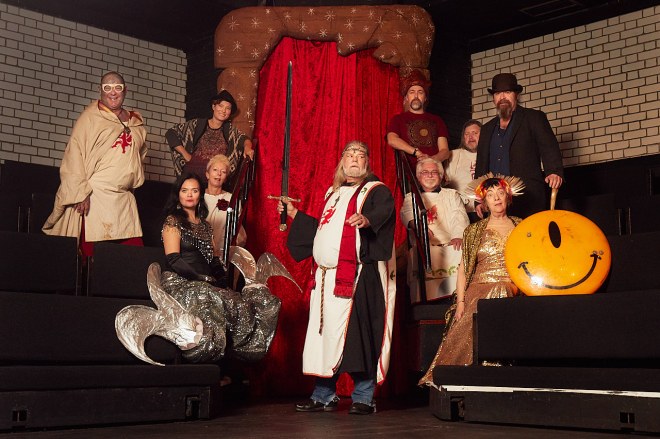
The Trials of Arthur: The Biker Who Would Be King is not a book for sceptics. Neither is Don Quixote. Cervantes wasn’t mocking his hero, he was celebrating him, honouring him, wondering whether the world might be a better place if more of us were willing to take our visions seriously. CJ and Arthur remind us that the line between madness and revelation is a border we cross every time we choose to believe that things could be different. Arthur’s windmill was always Stonehenge, locked behind a fence. The real giant was always the State, vast, indifferent, inflexible, and humourless. The real knight was always a man from Aldershot who had the nerve to say: I am Arthur and I fight for the land and the people.
I’ll drink to that!
About
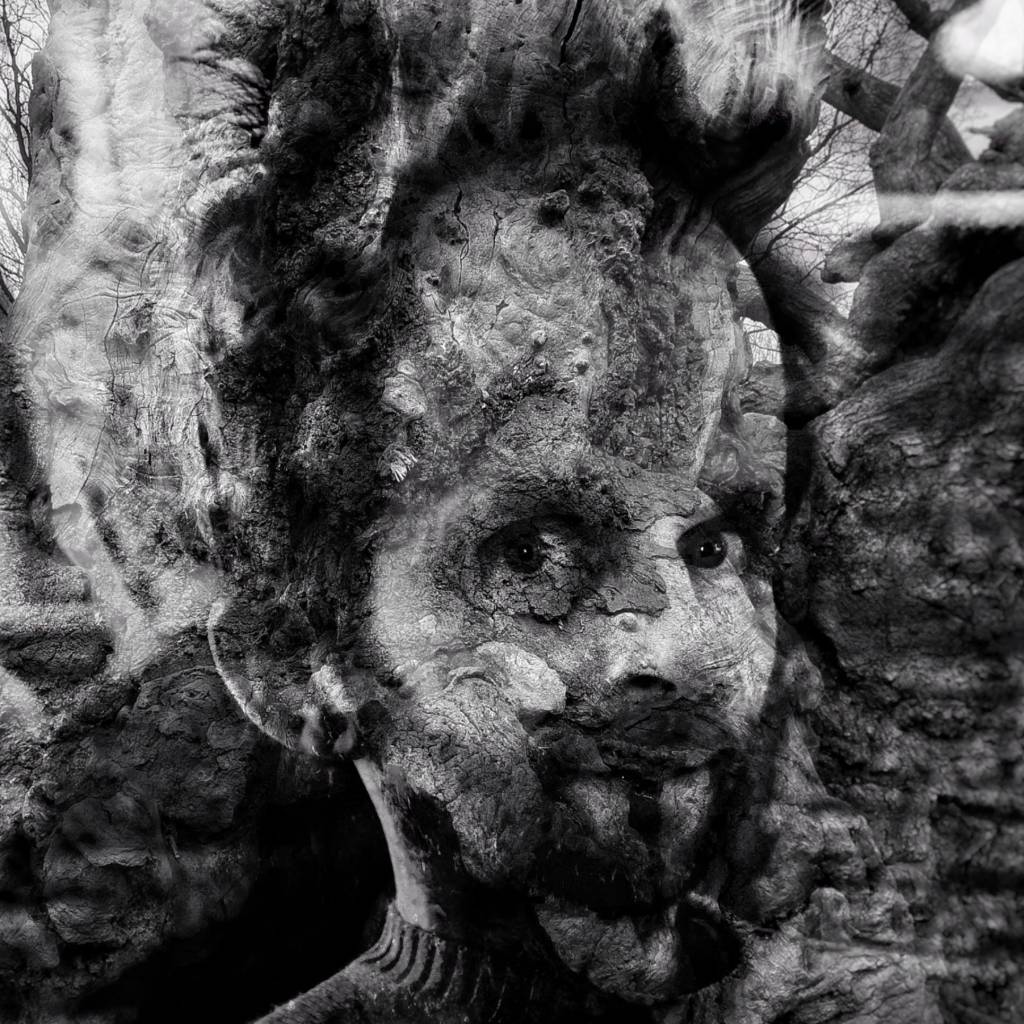
William Rowlandson. Entity, author, uni lecturer, allotment-holder, gardener, composter, vermiphile, mycophile, rewilder, tree-hugger, father, drummer.
William’s new book, Wyld of the Woodling, is published by the Psychedelic Press. Available here:
The introduction published on the publisher’s substack:
https://psychedelicpress.substack.com/p/weird-and-wild
William’s 10-part series of essays on Spaceship Earth and the origins of Sustainability can be read here:
https://substack.com/@billy38/posts
Whitstable Views
How to use it!
- Make sure you share and like our articles on Facebook and Twitter/X, and whatever other social-media platforms you use. Join us on Facebook here: @whitstableviews
- You can read and contribute articles for free but in order not to miss any, please subscribe to get regular free updates.
- To do so, press the “Subscribe” icon on the bottom right hand corner of the screen. This will take you to the option to sign up. (It disappears as you move the text down then reappears at you move it back again!)
- Please engage by leaving comments on the website, rather than on social media. Let’s get a debate going. All our contributors welcome the chance to engage with YOU.
- To all writers out there, we want to hear YOUR views too, so do submit your own articles. Read our submissions page on how to do this: https://whitstableviews/submissions/
- Finally, to keep Whitstable Views alive and independent please donate if you feel able to do so. As little as £1 would help. Details are on the donations page here: https://whitstableviews.com/donate

